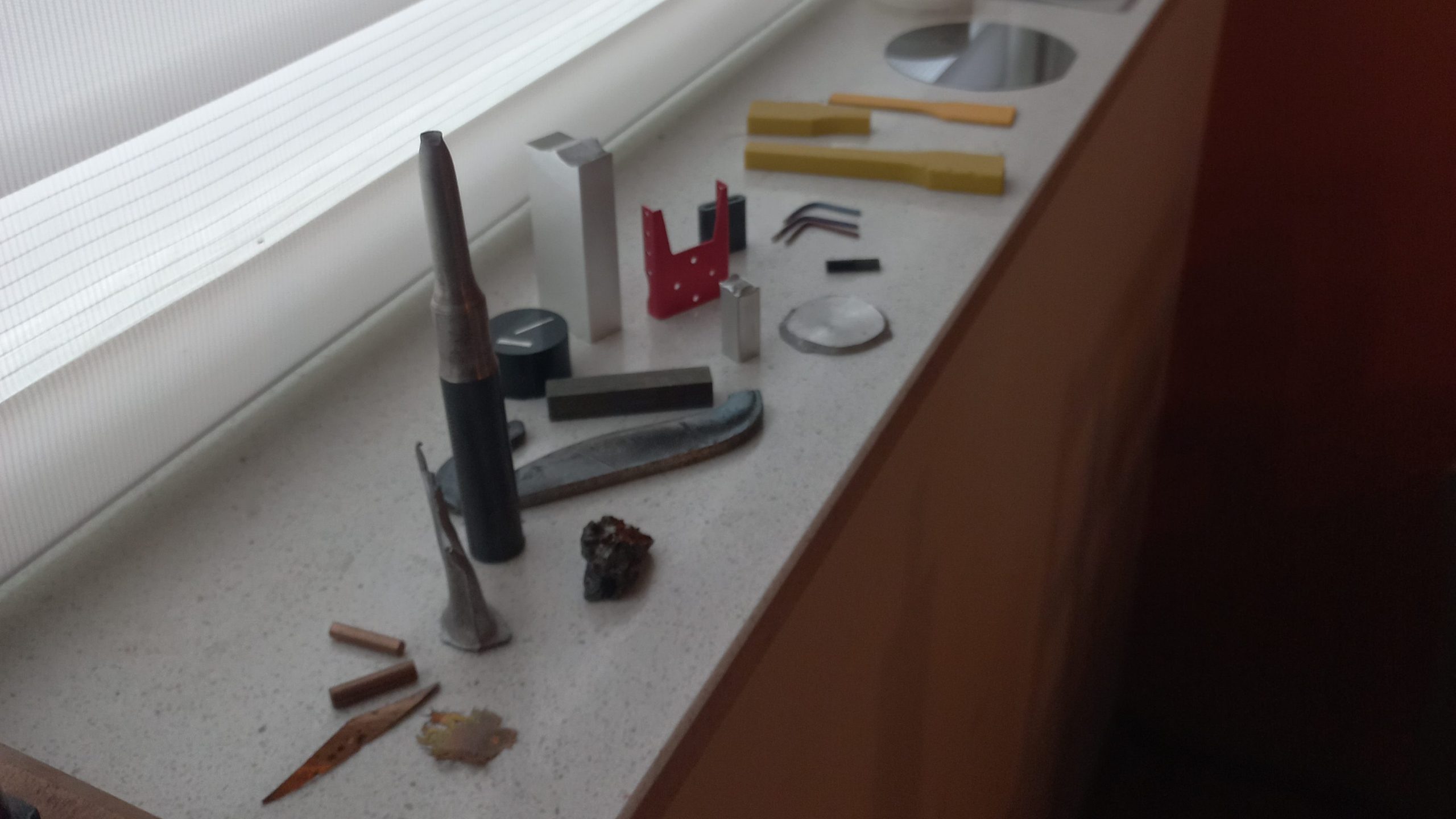
Materials are so important that we have named entire periods in history after the available materials at the time.
During my life, I have worked with several materials that we as humanity have slowly unlocked over our existence. For my own enjoyment, I have ordered some of my projects based on when they became available to humanity.
Sadly, many materials are left out because I simply haven’t worked with them yet or didn’t find them fitting for this list.
Stone Age
At first, we only had natural materials like wood, stone, and clay at our disposal.
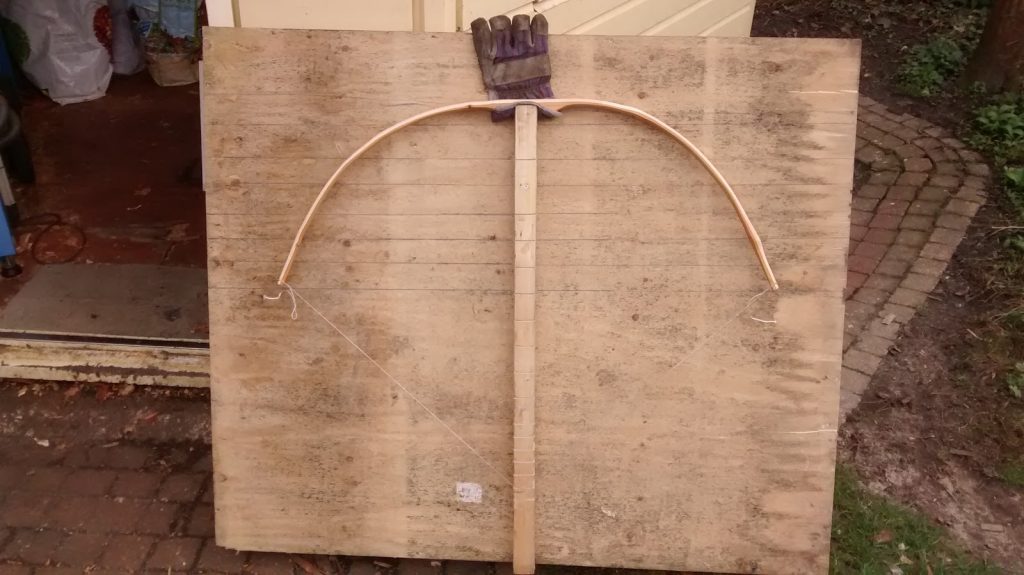
A short bow made of Yew on a tillerboard with lines to compare the deflection of each side of the bow.
Bronze Age
Then we added bronze to the list of available materials, greatly expanding our options.
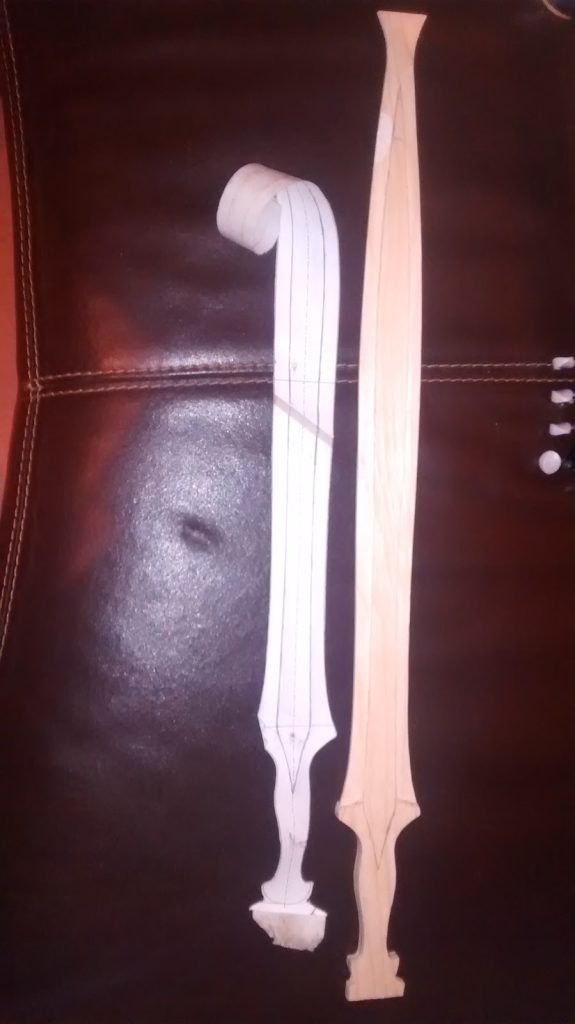
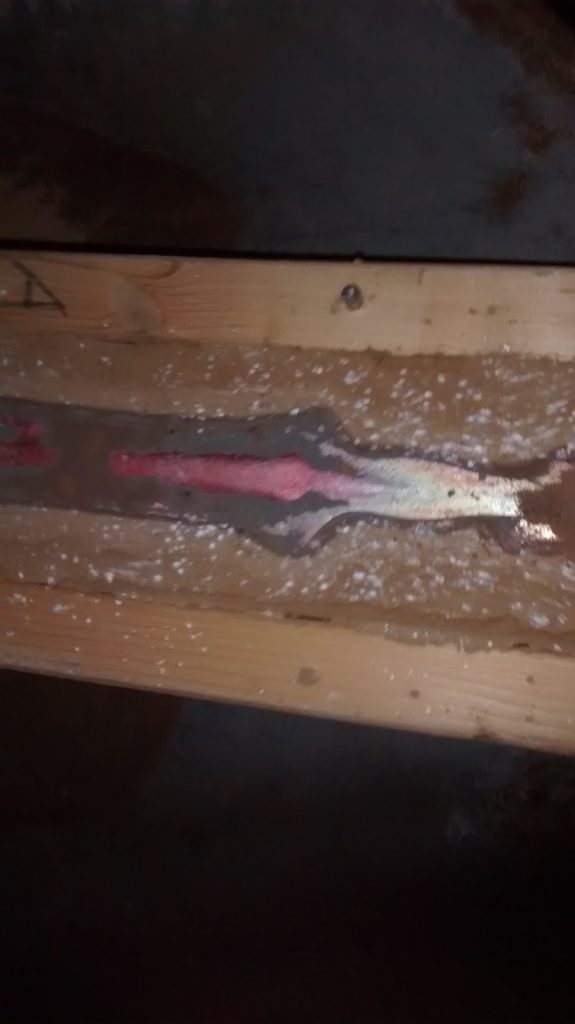
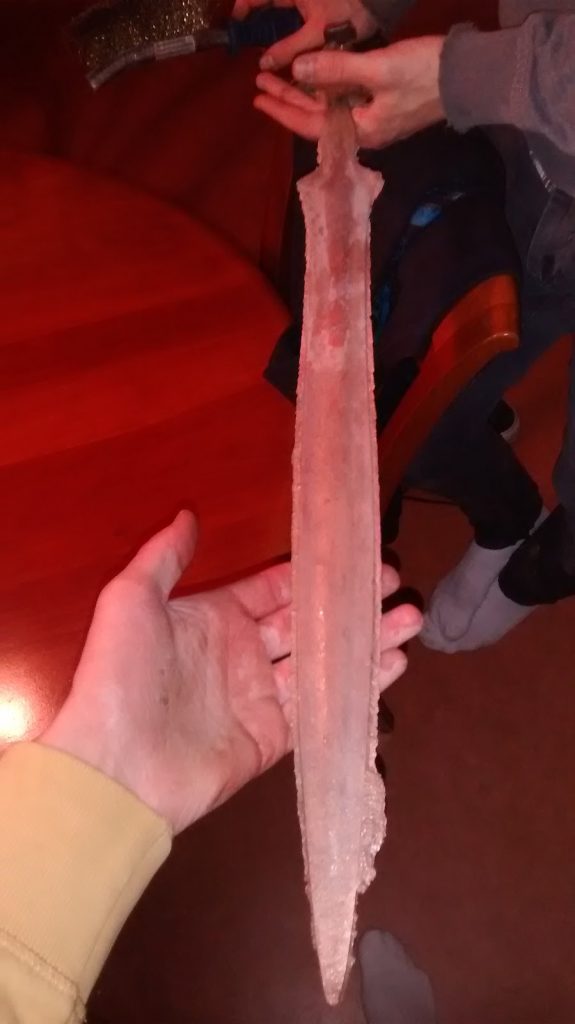
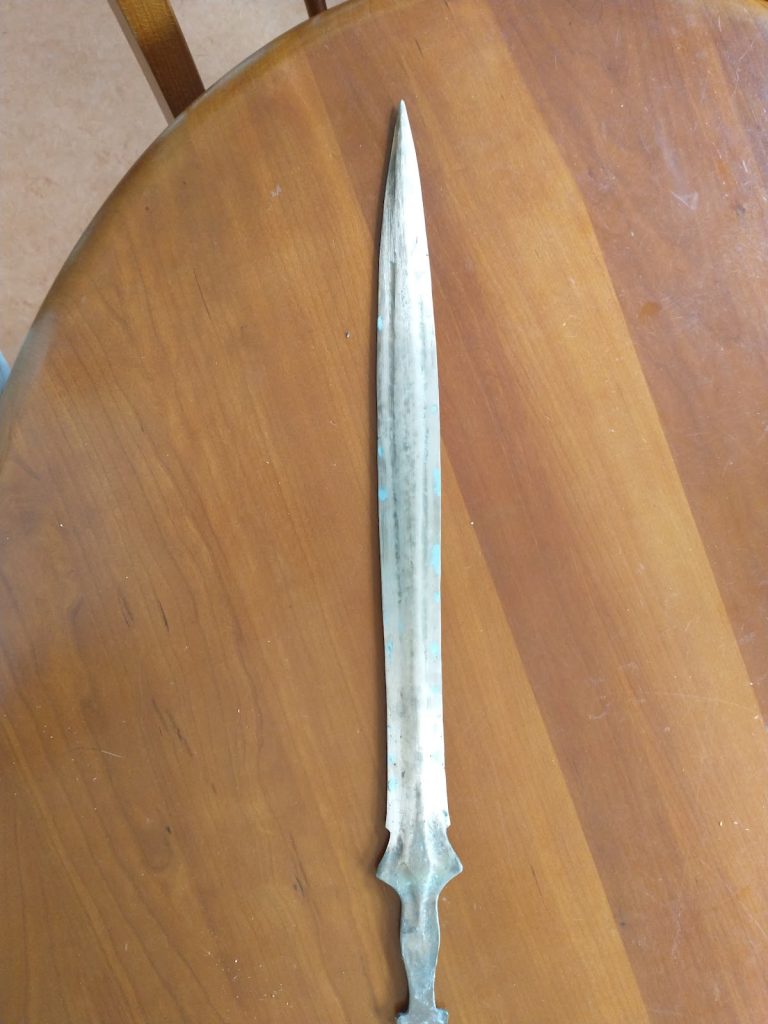
A Bronze sword based on a picture from the British Museum (source lost). As it turns out, casting such long, thin objects as swords is quite difficult with sand casting. It was traditionally done with clay or stone molds. For now, this project has been abandoned due to other priorities.
Iron Age
Bronze was and still is an expensive material due to the low abundance of copper and tin.1 Therefore, iron quickly became the most important material for tools and other machinery. After, we found out how to produce it.
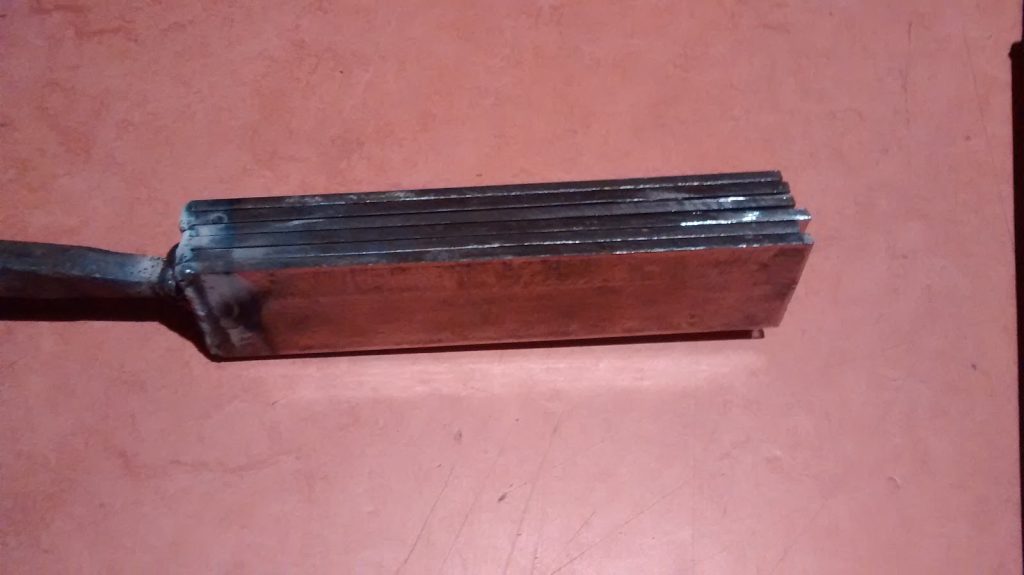
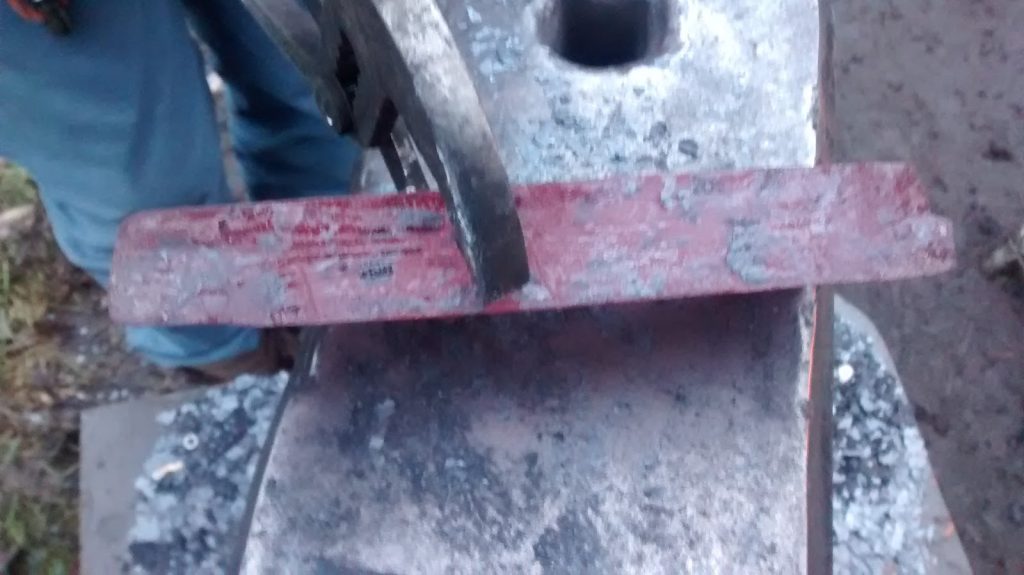
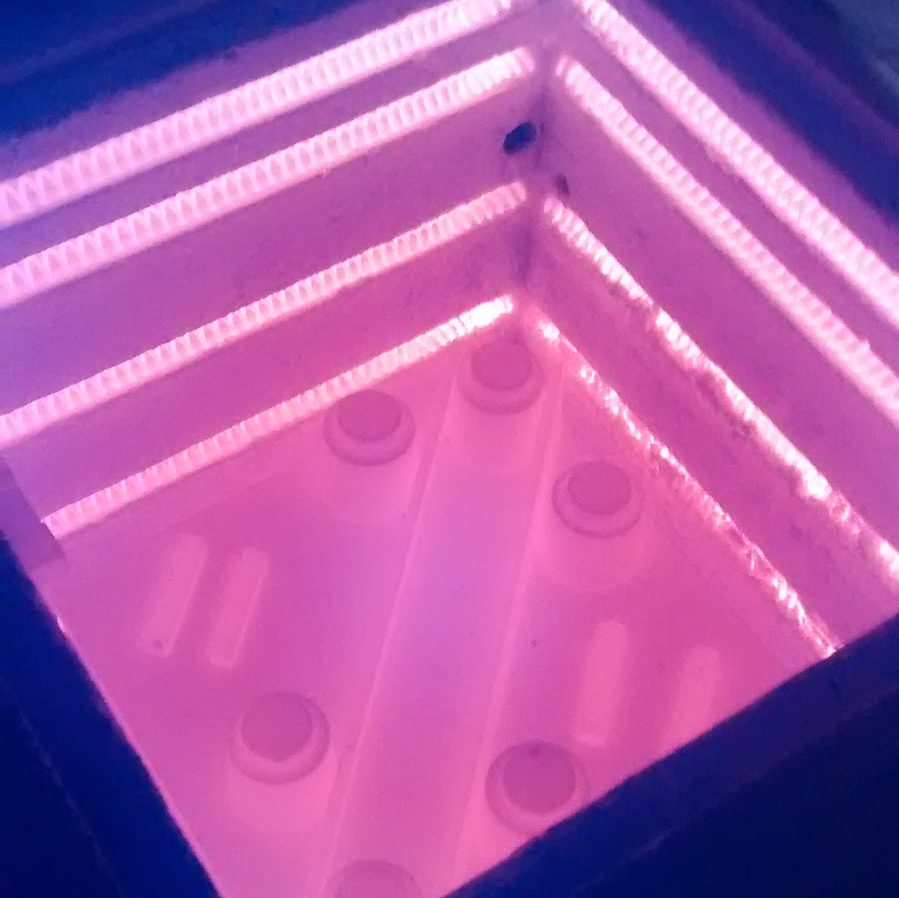
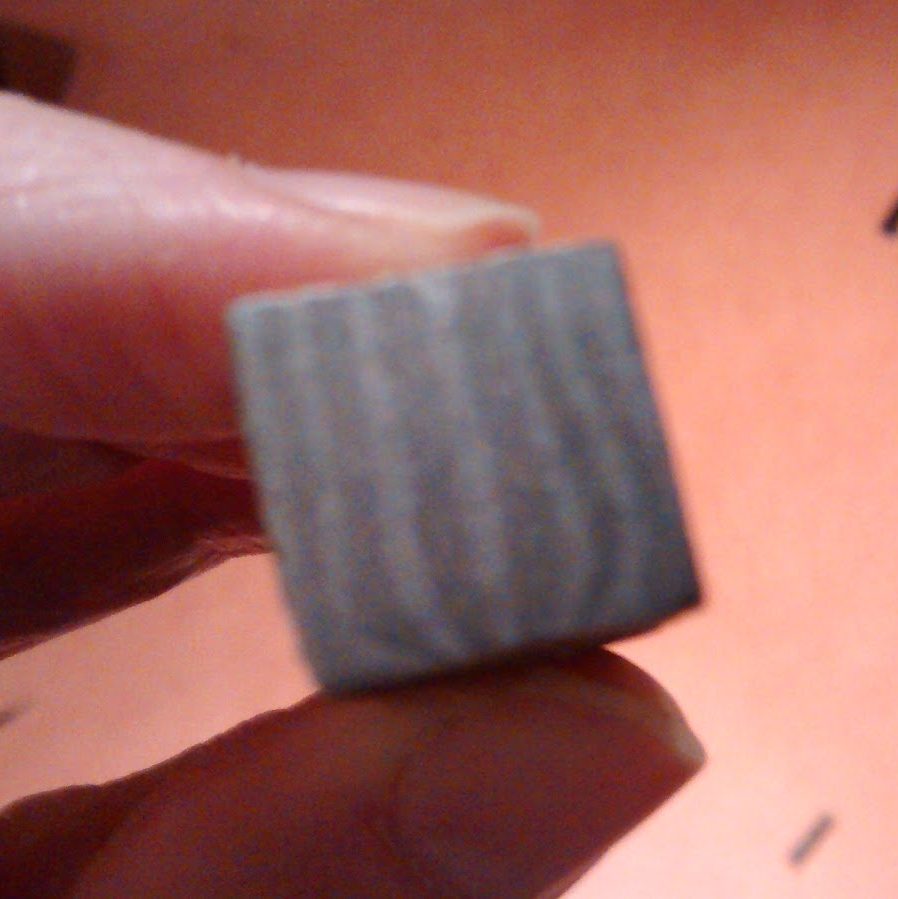
Forging layered steel “damast” from tool steel (C45) and construction steel (S235).

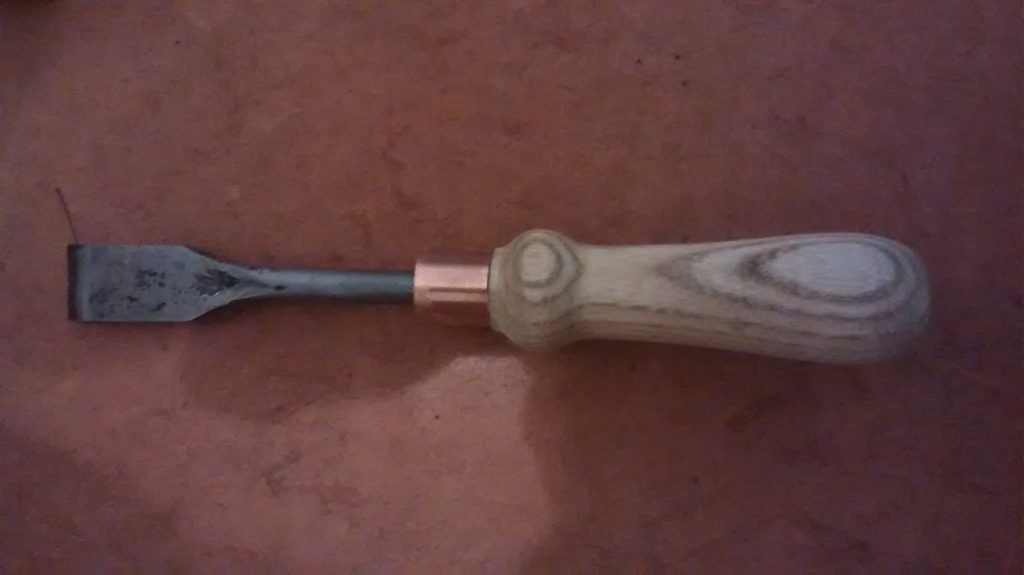

Forged tools starting with a fire striker, and after that, the more well-known chisel and knife.
Modern Age
It is difficult to pick one material as the defining structural material of the modern age. For metals, I feel like aluminium deserves a special mention as an important new structural material.

Aluminium gears, sandcast and post-processed on the lathe.
Besides the expansion of the list of available metal alloys and natural materials like stone and wood, we also started producing polymers.

3D printed polylactic acid (PLA) clamps on a small vacuum manifold.
Some other materials that I haven’t worked much with yet but are also of major importance are glass, which doesn’t just allow windows in our homes but is also the most important material in scientific research for lenses and glassware. Meanwhile, concrete enables our buildings and other big infrastructure.
Despite the importance of these materials, I think there is a different material that deserves to be the defining material of the modern age.
Silicon Age
Computers started with an improved understanding of physics and mathematics. However, without the availability of high purity sillicon, we would most likely not have the computational power we have today.
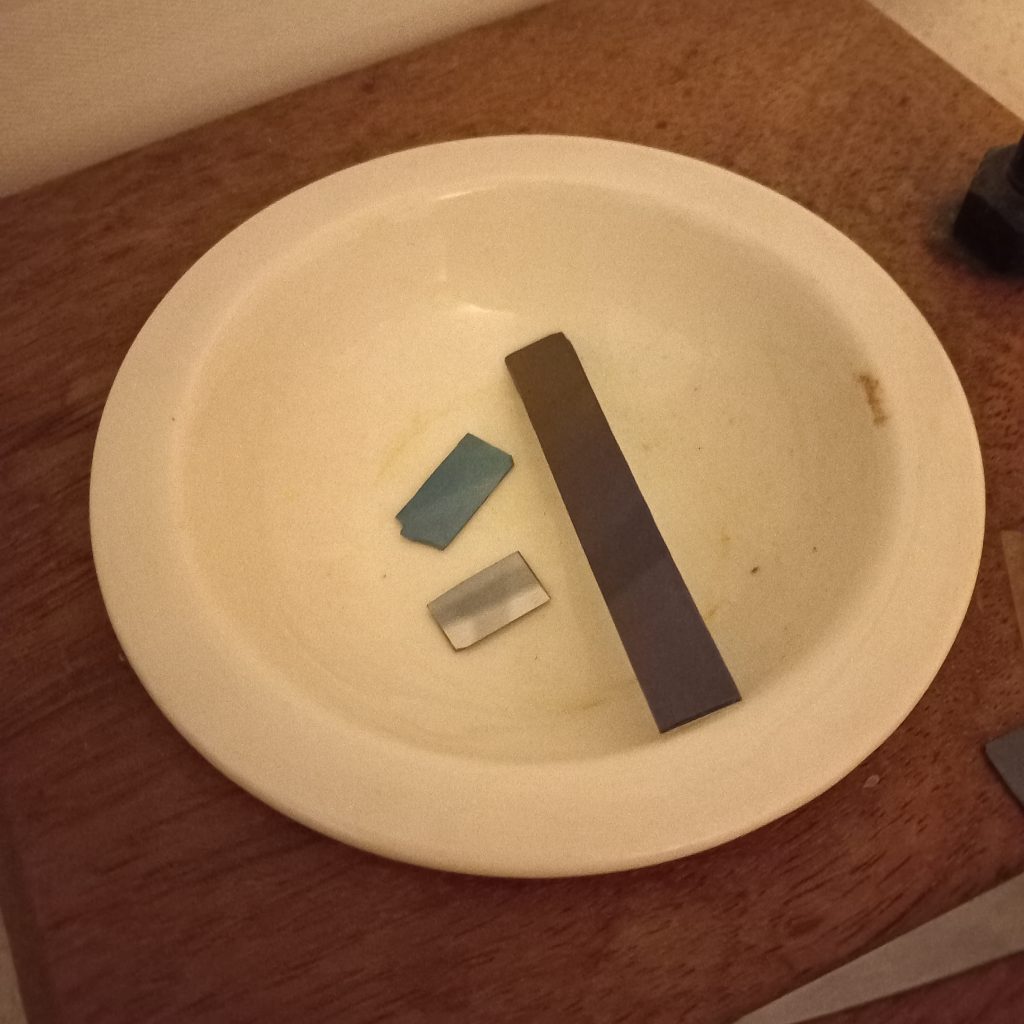
Pieces of silicon oxidised in a tube furnace. The grey piece is not oxidized the black to slightly brown piece has a very thin oxide, and the blue piece has a thicker oxide (I assume about 100nm based on the colour).