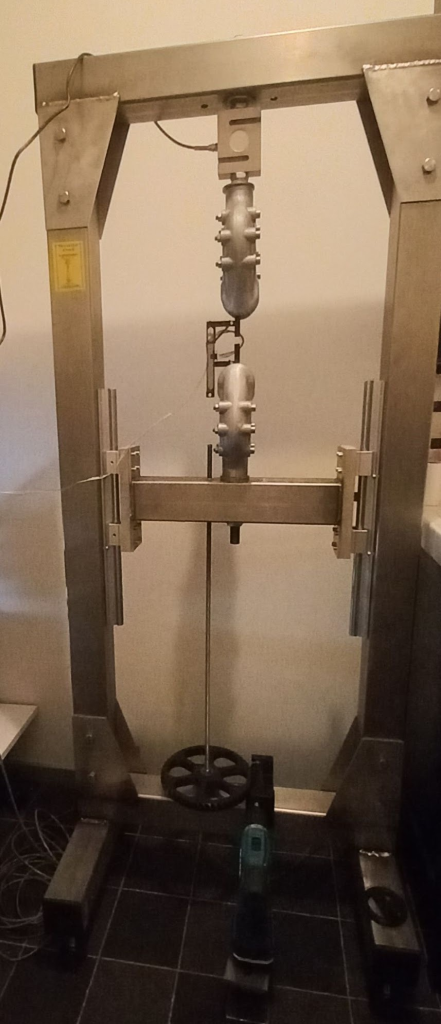
Tensile testing machine.
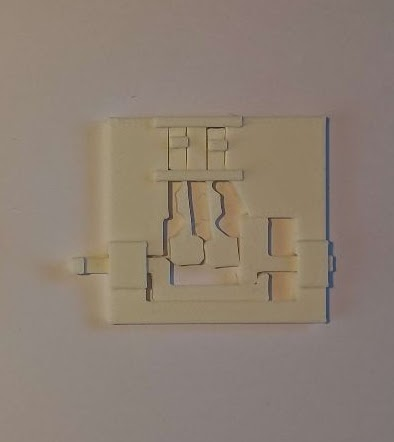
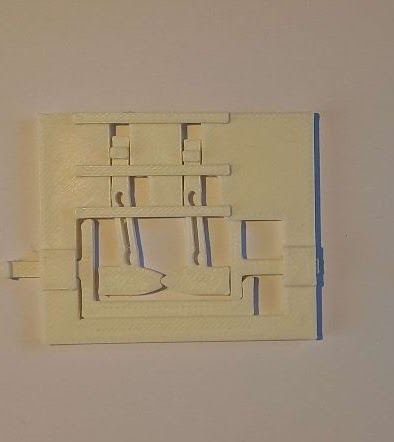
The above logic gates are 3D-printed clocked mechanical logic gates. ( XNOR and AND).
Below, a clocked mechanical full adder. The adder is around 150x150mm and consists of 3 XNOR gates, 2 AND gates, and a NOT gate. The sum and carry output should be read inverted. Note that the carry out is placed such that it directly connects to the next layer if another full adder were stacked on top, making the design easy to scale to many bits.
This design suffers from two inherent flaws. First of all, the small levers make it cumbersome to reset the logic gates and clocks. Secondly, the sliding connections in the gates require precise positioning and locking which is prone to errors and jams.
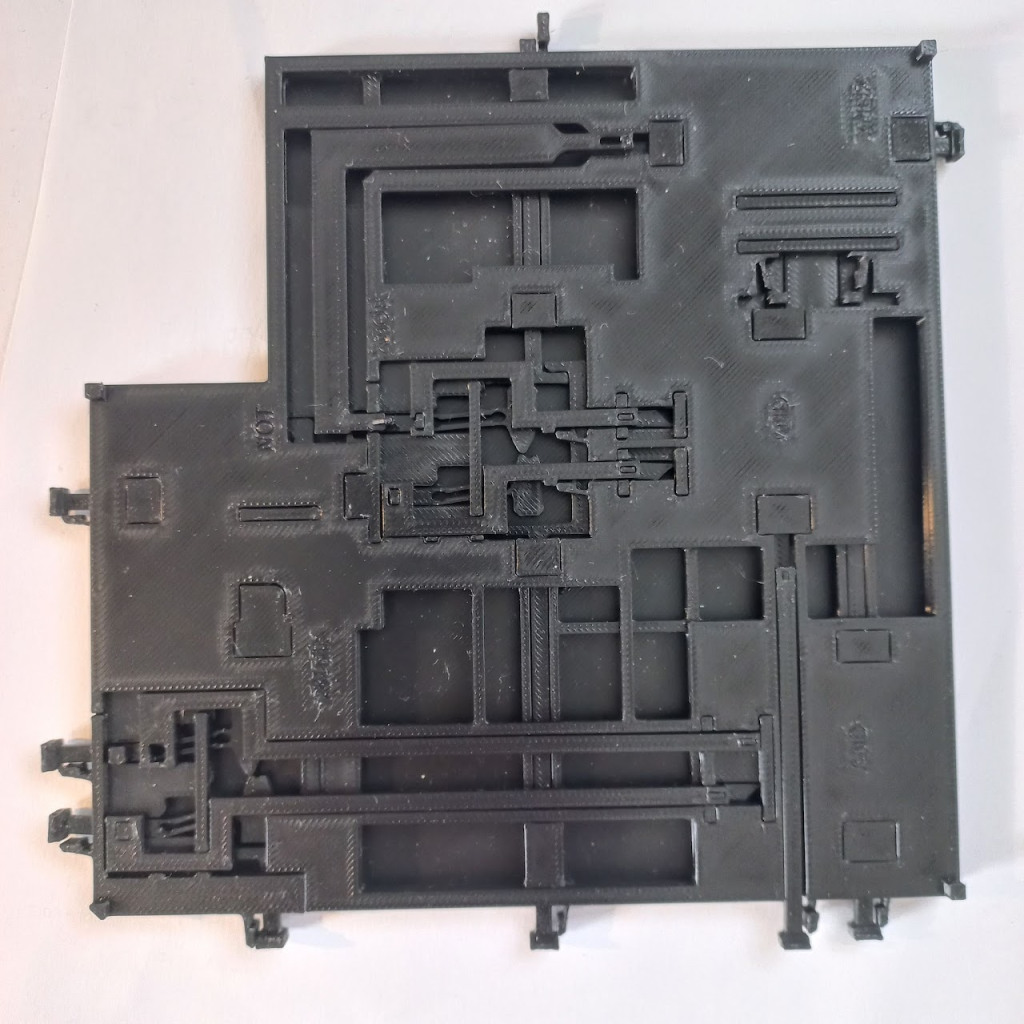
Overall, this project made me realize that mechanical systems are as poorly suited for binary computing as you would expect. With better engineering efforts I am sure you can make a system with flexures that works reasonably well, for me it is just not worth the effort.
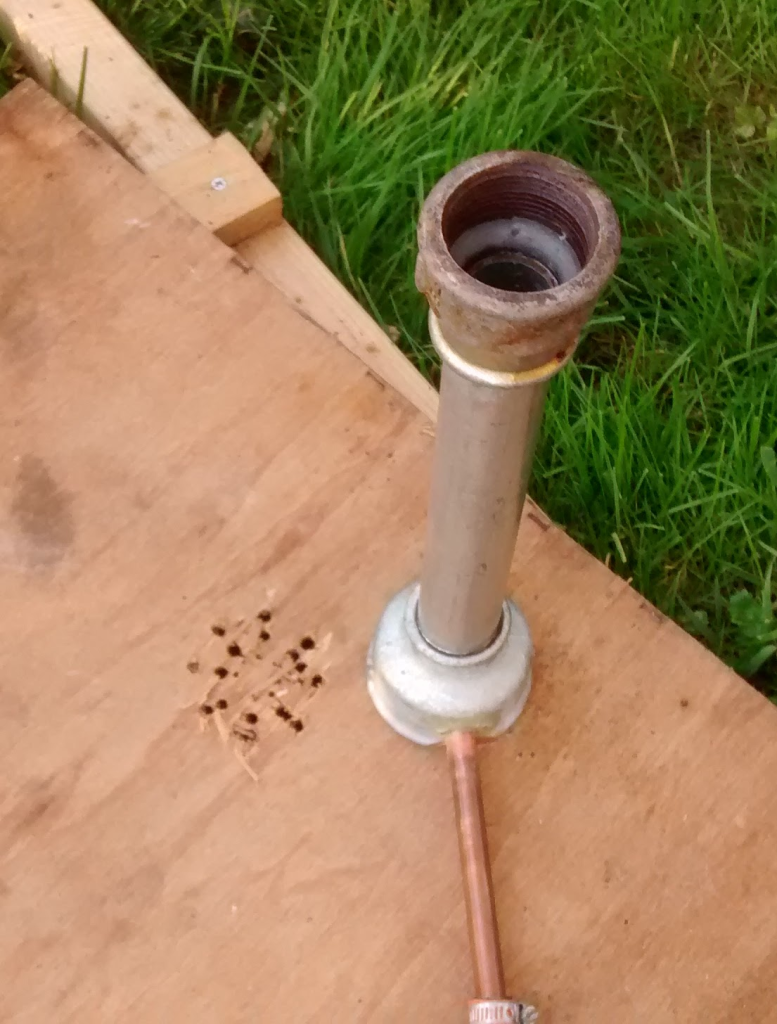
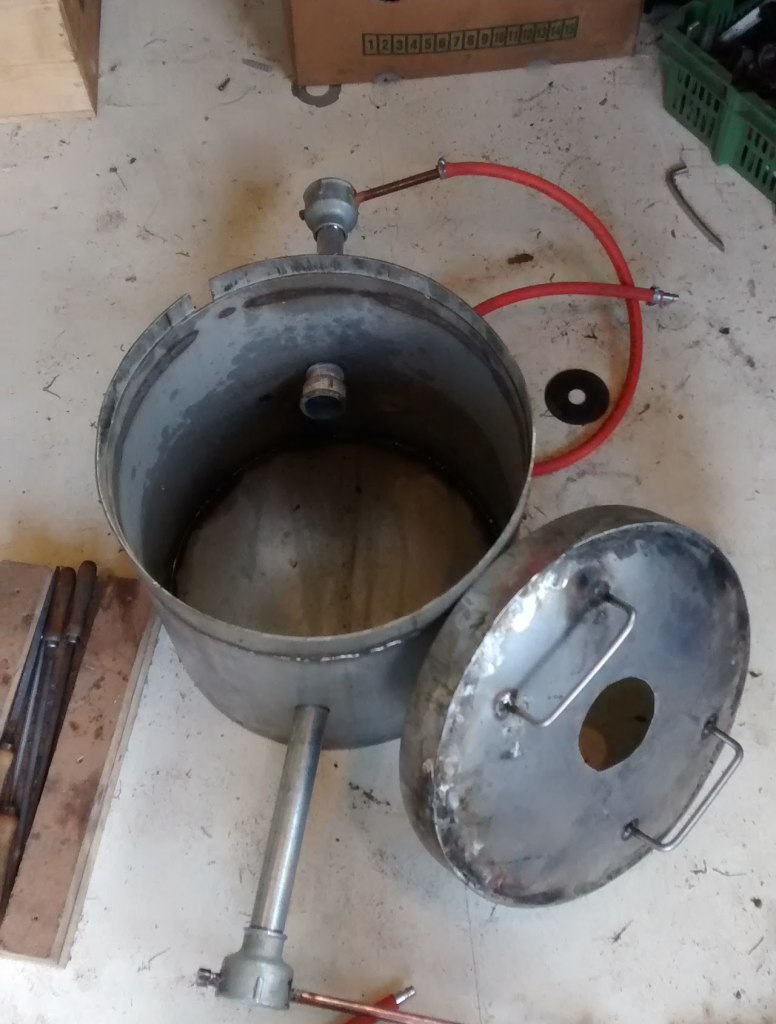
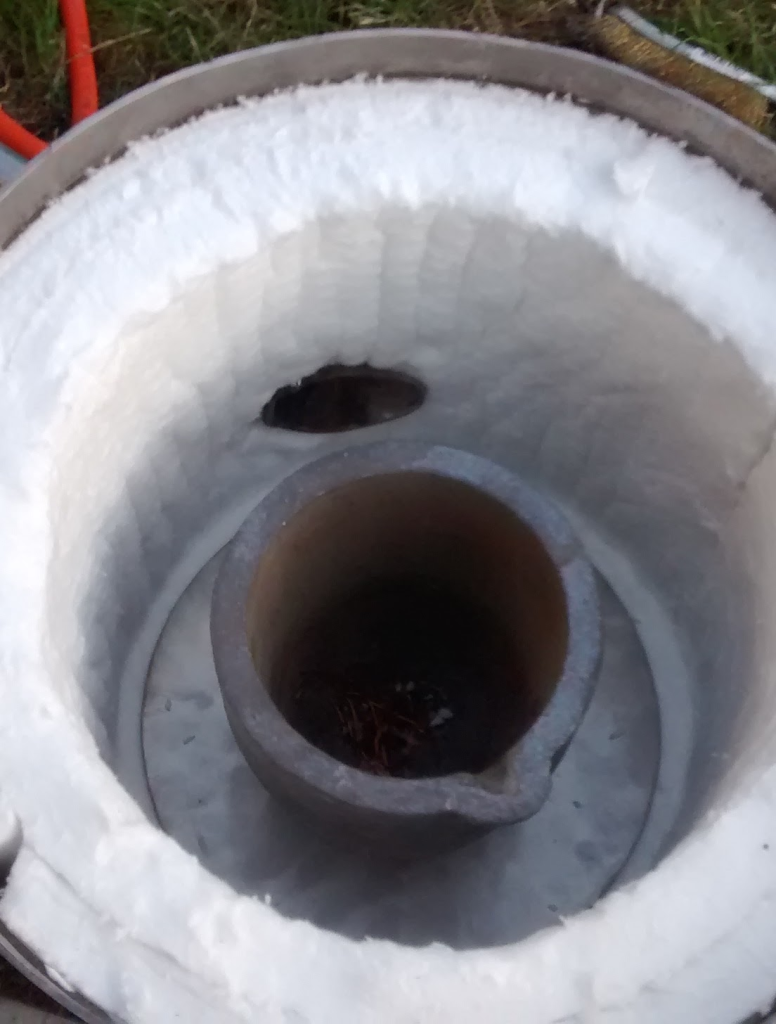
A propane burner to melt bronze and aluminium. On the left a first test to see the effect of throttling the air supply.
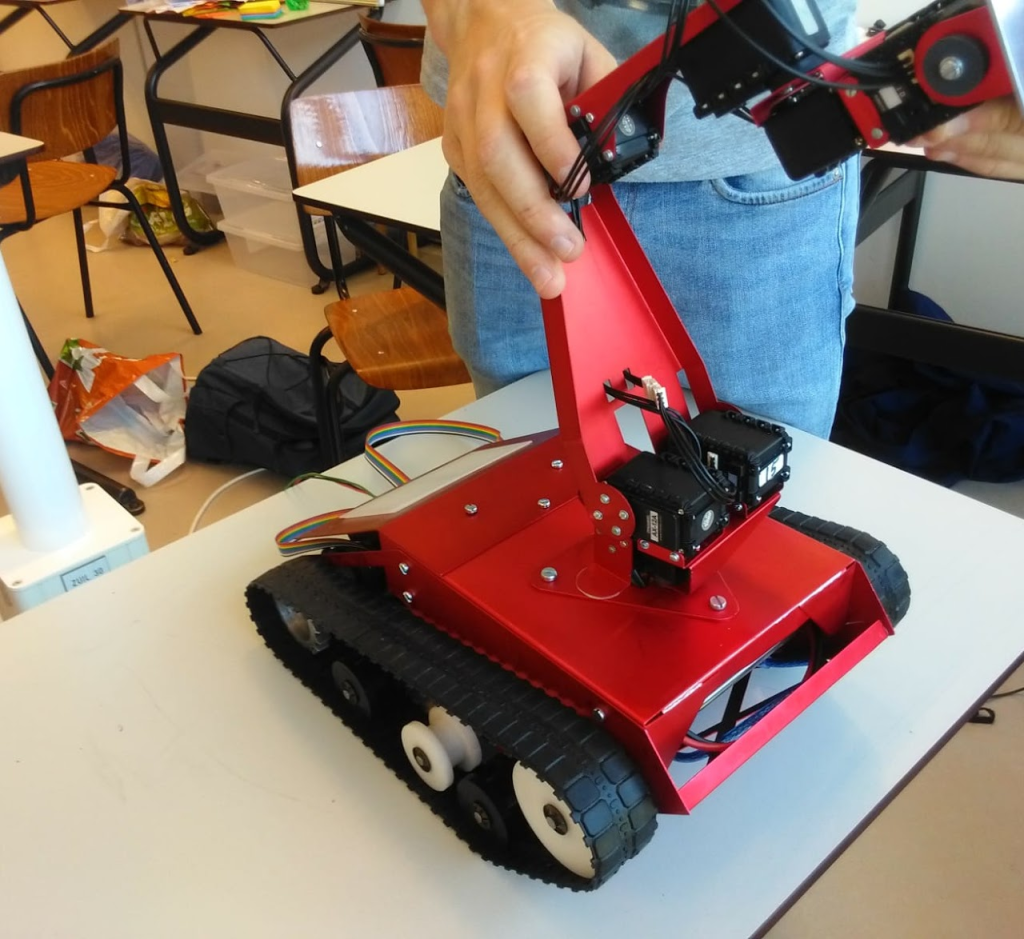
During an “interdisciplinary project” in my bachelor’s, we had to make a robot that could complete several tasks. I worked on the red robot on the right together with the rest of the team.
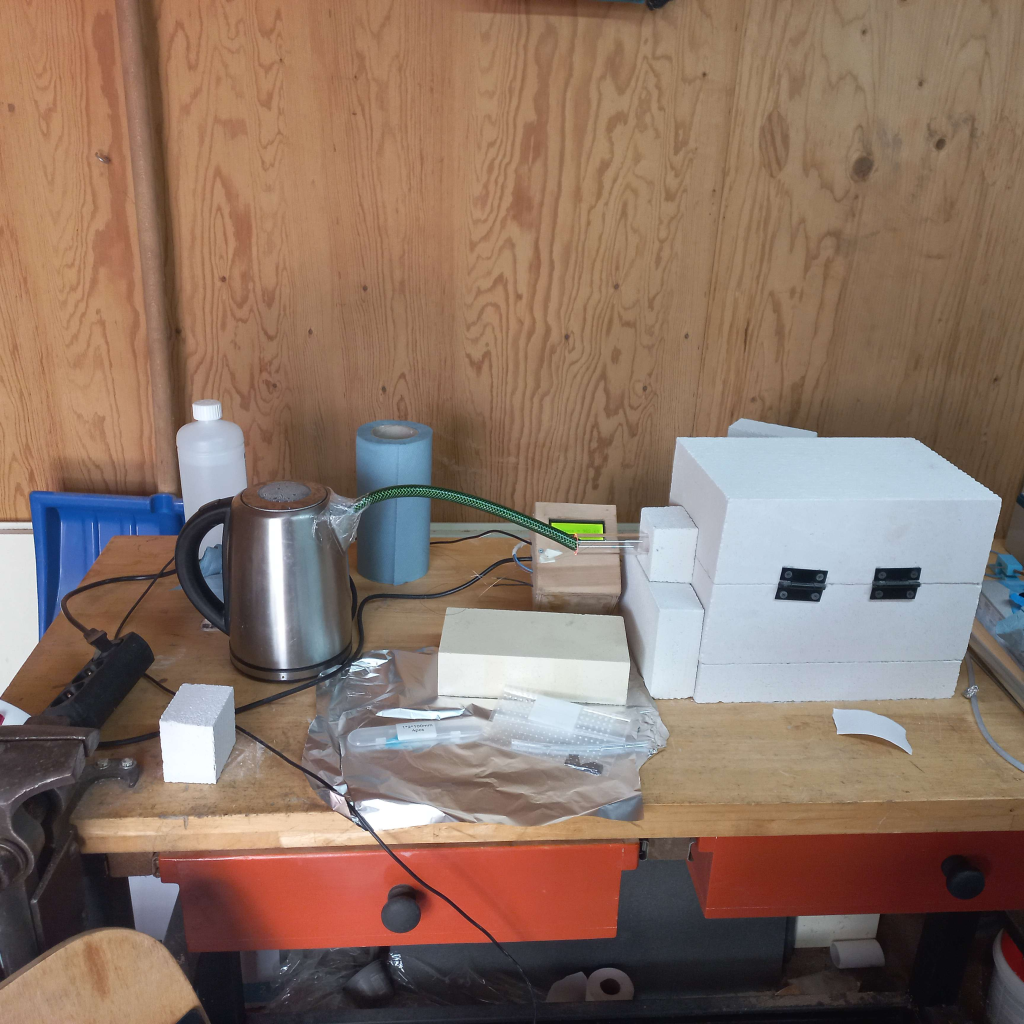
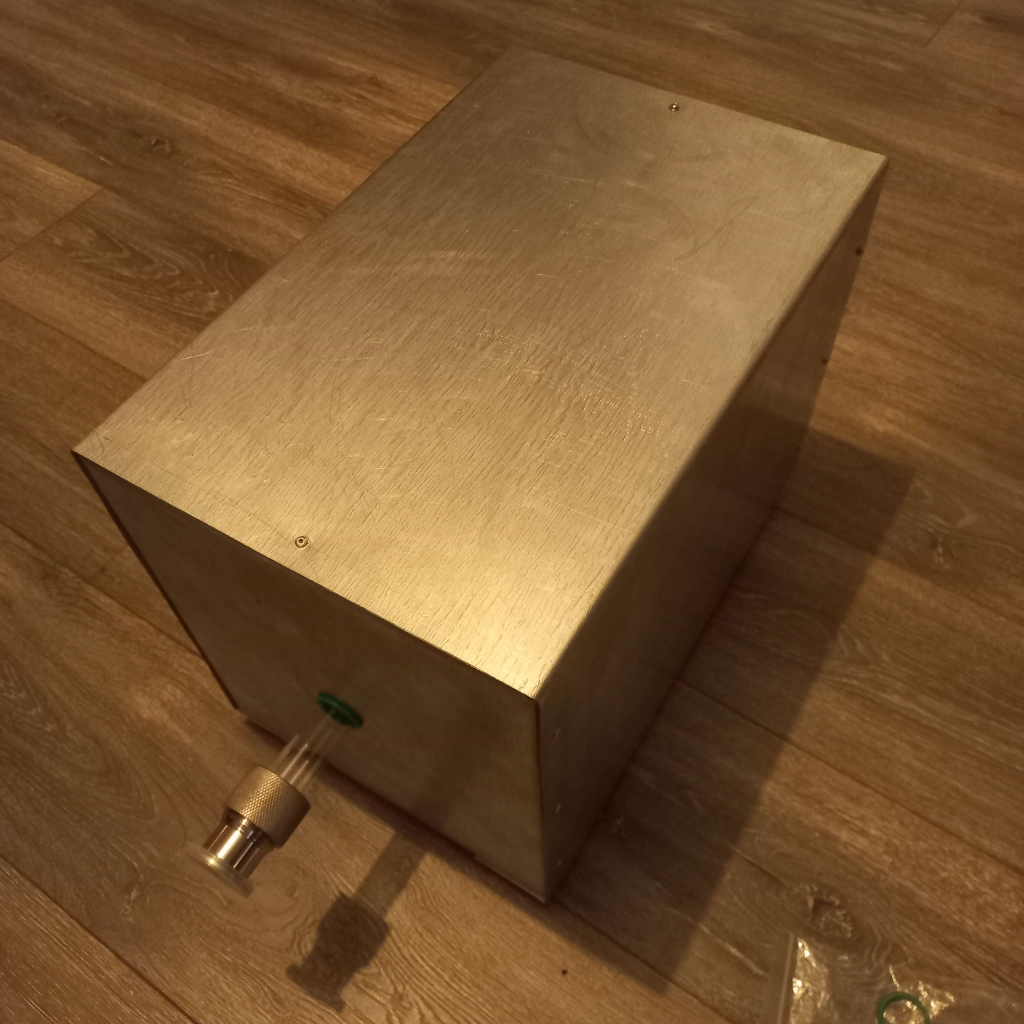
Tube furnace prototype V0 left, V1 right.